Insights
Tools IconDesign-build or traditional tender: which one suits your fit-out
One contract or two? The honest trade-off is between price certainty you get early and price certainty you get late.
 Tools Icon
3 min read
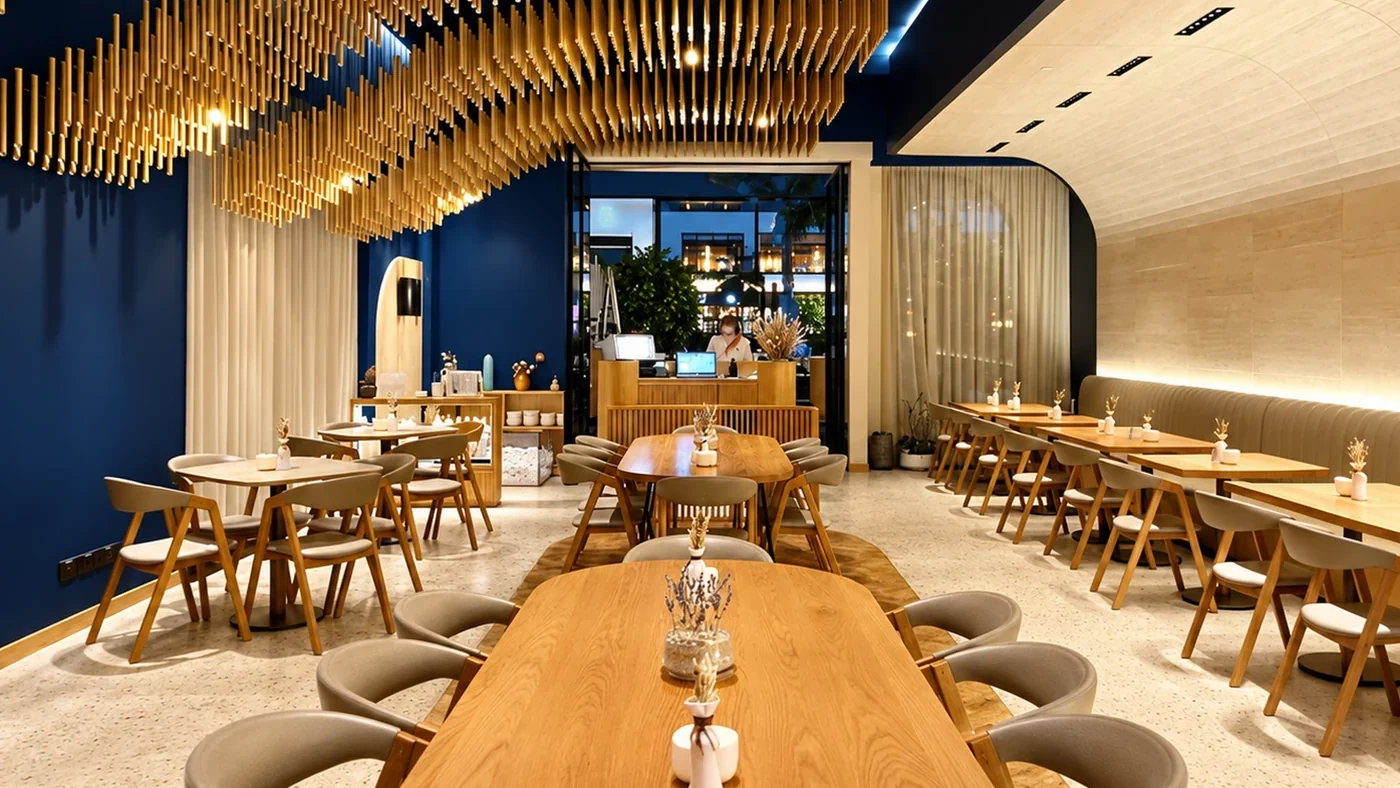
There are two normal ways to buy a fit-out, and most of the frustration on commercial projects comes from choosing one and then expecting the behaviour of the other.
In the traditional route, you appoint a designer, the design is completed, and the completed design is tendered to contractors who price the same documents. In design-build, one party takes responsibility for both, and design and construction overlap rather than queue.
What the traditional route actually buys you
It buys comparability. When three contractors price an identical, finished set of drawings and specifications, the difference between their bids is genuinely a difference in price, and you can hold the cheapest one to the same scope as the most expensive. It also keeps the designer independent of the builder, which matters when the design intent is the point of the project.
What it costs is time and exposure. The design has to be finished before anybody prices it, which puts weeks on the front of the programme, and you discover the real cost at the end of that period rather than the beginning. If the tender comes back over budget, you redesign and tender again. It also leaves a gap: when something does not work on site, the designer says it was built wrong and the contractor says it was drawn wrong, and the gap between them belongs to you.
What design-build actually buys you
It buys a single line of accountability and an earlier start. Procurement of long-lead items can begin while detailing continues, buildability is considered while the design is still cheap to change, and there is nobody to blame but one party.
What it costs is comparability. Two design-build bids are rarely the same thing, so you are comparing proposals rather than prices, and that requires you to be much clearer about outcomes: performance, finishes level, and what "complete" means.
How to choose, practically
- Is the programme fixed? A lease that starts on a date, or a store that must trade before a season, pushes hard towards design-build.
- Is the design the product? A flagship restaurant or a brand showroom where the concept is the reason customers come usually justifies an independent designer.
- Is the scope repeatable? Offices, warehouses, clinics and rollouts with an established standard are well suited to design-build, because the unknowns are few.
- How much client time is available? The traditional route needs an informed client to arbitrate between designer and contractor. If nobody on your side has that time, a single accountable party is safer.
The hybrid most projects actually use
In practice, many fit-outs land in between: a designer develops the concept and the look, then the contractor is appointed early to take the concept to construction detail, price it, and build it. You keep the design independence where it matters and buy buildability and speed where it matters. The one condition is that the handover point between the two is written down — who owns which drawings, and at which stage the price becomes fixed.
Whichever route you take
Fix three things in writing before work starts: the specification by product name, the procedure for variations (priced and approved before execution, never collected at the end), and the definition of practical completion including the snagging process. Those three paragraphs prevent more disputes than the choice of route itself.
We work both ways, and we join at design stage more often than at tender. See what we have built, our in-house joinery, or talk to our team about which route fits your programme.
Read next
All articles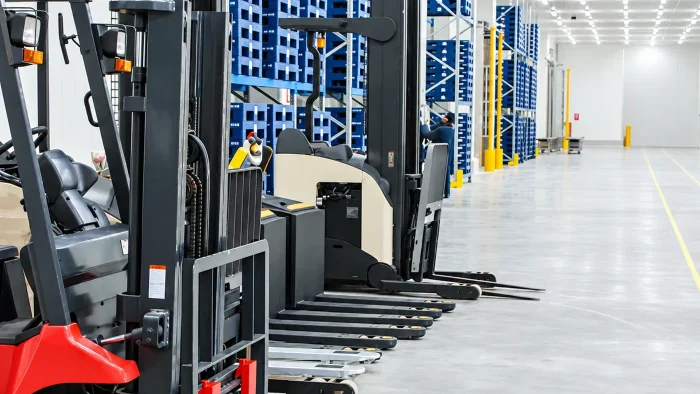
4 min read
What a construction company in Saudi Arabia should show you
Before the portfolio and before the price, there are six documents. A contractor who can produce all six within a working day…
Read article
3 min read
Joinery, not carpentry: what an in-house workshop changes
Most of what a client remembers touching in a finished space was made in a joinery shop. Whether the contractor owns that shop…
Read article
3 min read
How to choose a fit-out contractor in Saudi Arabia
Seven checks that separate a contractor who will finish your space from one who will finish your budget.
Read articlePlanning a fit-out in Saudi Arabia?
We join at design stage and hand over a finished space — joinery, MEP and finishes under one line of accountability.